Fireworks Logo

Latest Shorts...

  • The | German War: A Nation Under Arms, 1939-1945

    : While fanatical Nazism played a role, Stargardt emphasizes that basic patriotism and familial bonds were often stronger motivators for "ordinary" Germans to fulfill their duties, even if they harbored personal reservations about the regime. Primary Source Perspective

    In historian Nicholas Stargardt explores how ordinary German citizens—soldiers and civilians alike—experienced, justified, and sustained the Second World War. Rather than viewing the German populace as mere victims of a totalitarian regime or helpless dupes of propaganda, Stargardt argues that most Germans were actively complicit and continued to support the war effort long after military defeat seemed inevitable. Key Themes and Arguments The German War: A Nation Under Arms, 1939-1945

    : Unlike standard histories that suggest morale collapsed after the 1943 defeat at Stalingrad, Stargardt argues that these setbacks actually radicalized German society. The existential threat of total defeat spurred a "patriotic defiance" that kept the nation fighting until the very end. : While fanatical Nazism played a role, Stargardt

    : Nazi propaganda successfully framed the conflict not as a war of aggression, but as a defensive struggle for national survival. Many Germans believed they were fighting to prevent a repeat of the 1918 defeat and to protect their families from "Judeo-Bolshevism". Key Themes and Arguments : Unlike standard histories

    The book is noted for its immersive use of personal documents, including: The German War: A Nation Under Arms, 1939-1945

    : Stargardt presents evidence that the Holocaust was an "open secret" among the German public. Many civilians and soldiers were aware of the mass killings and even viewed the Allied bombing of German cities as a form of divine or "Jewish" retribution for these crimes.


  • Male Gaze: Heavenly Creatures (The)
  • Loves Me... Loves Me Not
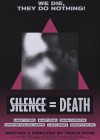
  • Silence = Death
  • Souvenir
  • Touch Me With Your Eyes
  • One Day This Kid
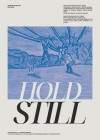
  • Hold Still
  • If I’m Here It Is By Mystery
  • Second Time Around (The)
  • Sleazy Tiger
  • Two Black Boys in Paradise
  • Lisbon
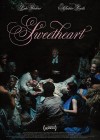
  • Sweetheart
  • Blackout
  • Star Crosswalked
  • Buddy Boy
  • Hammer of Witches (The)
  • My Boy
  • Shattered
  • California Highway 99
  • Rose Colored
  • Canyon Chorus
  • Nature of Us (The)
  • Bench (The)
  • Juliette
  • Dressmaker (The)
  • Hete Roy
  • Renew
  • Plombier (Le)
  • Prism
  • Take My Hand
  • Where Colours Come From
  • Kystgaarden
  • Simmer
  • Bram
  • Good Farmer and the Failed Son (The)
  • Cobalto
  • Pedro Had a Horse
  • Monte

: While fanatical Nazism played a role, Stargardt emphasizes that basic patriotism and familial bonds were often stronger motivators for "ordinary" Germans to fulfill their duties, even if they harbored personal reservations about the regime. Primary Source Perspective

In historian Nicholas Stargardt explores how ordinary German citizens—soldiers and civilians alike—experienced, justified, and sustained the Second World War. Rather than viewing the German populace as mere victims of a totalitarian regime or helpless dupes of propaganda, Stargardt argues that most Germans were actively complicit and continued to support the war effort long after military defeat seemed inevitable. Key Themes and Arguments

: Unlike standard histories that suggest morale collapsed after the 1943 defeat at Stalingrad, Stargardt argues that these setbacks actually radicalized German society. The existential threat of total defeat spurred a "patriotic defiance" that kept the nation fighting until the very end.

: Nazi propaganda successfully framed the conflict not as a war of aggression, but as a defensive struggle for national survival. Many Germans believed they were fighting to prevent a repeat of the 1918 defeat and to protect their families from "Judeo-Bolshevism".

The book is noted for its immersive use of personal documents, including: The German War: A Nation Under Arms, 1939-1945

: Stargardt presents evidence that the Holocaust was an "open secret" among the German public. Many civilians and soldiers were aware of the mass killings and even viewed the Allied bombing of German cities as a form of divine or "Jewish" retribution for these crimes.