Slander

Slander is legally defined as a false and defamatory oral statement made to a third party. Unlike libel, which involves written or permanent media, slander traditionally refers to fleeting, spoken words. However, the line is blurring; a recorded video of a slanderous rant shared on social media can often be treated as libel due to its lasting, broadcast nature.

Communicated verbally, rather than written or printed.

The statement must be factually incorrect. Truth is an absolute defense. slander

It must be heard by someone other than the person being slandered. The Legal Threshold: Why Slander is Hard to Prove

It must cause actual harm to a person’s reputation, business, or character. Slander is legally defined as a false and

The legal system focuses on tangible damages, but the emotional and social impact of slander is profound. It can destroy trust within communities, lead to job loss, and cause significant mental distress. While some choose to take legal action, others are forced to navigate the long process of repairing their reputation, often relying on the truth to surface over time. Slander vs. Libel: A Quick Reference Spoken defamation. Libel: Written or recorded defamation.

In an era where a spoken word can be instantly recorded and distributed to millions, the legal and social definition of has never been more relevant—or more complex. Often confused with its written sibling, libel, slander is a specific, potent form of defamation that can dismantle reputations in seconds. Defining the Damage: What is Slander? Communicated verbally, rather than written or printed

Slander and Defamation of Character: A 101 - Bochetto & Lentz
Blog archive

in all categories

Latest articles

leadPicture

weather international

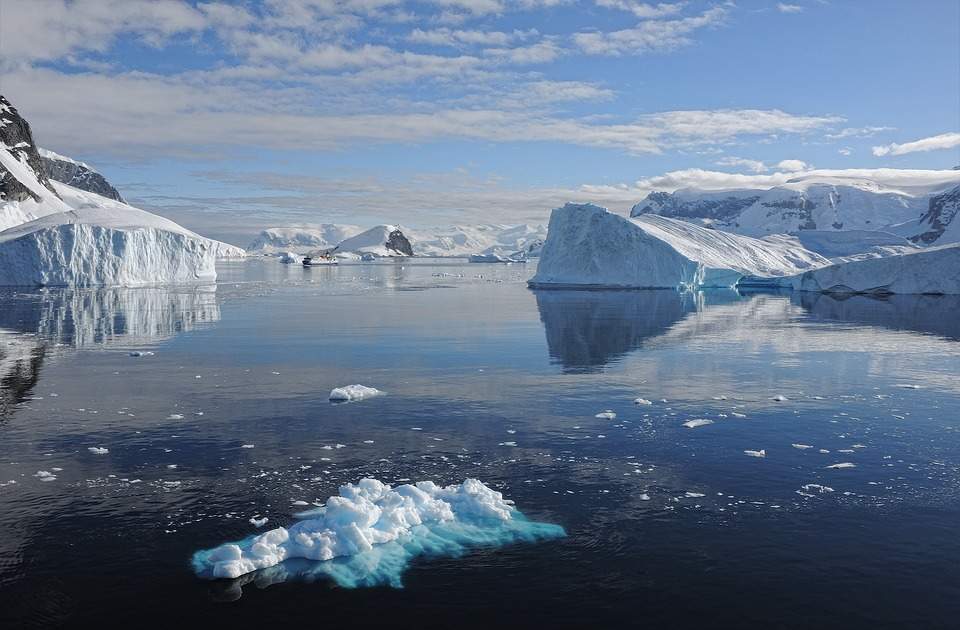
Current sea ice extent in the Antarctic and Arctic

The low point of summer sea ice extent is typically reached in the Antarctic between mid- and late February, while the winter maximum is reached in the Arctic in March with a slight delay. Conversely, the lowest sea ice extent is recorded in the Arctic in mid-September, while the greatest extent is recorded in the Antarctic. Currently, we are experiencing the lowest level of global sea ice extent on record.

Michael Eichmann

Most read articles last 2 months

Most read articles last 12 months

leadPicture

astro international

Summer in the calendar from tomorrow!

Following the meteorological start of summer on June 1 and the even earlier phenological start of summer, summer in the Earth's northern hemisphere will now also begin tomorrow, Saturday, June 21, at exactly 4:41 a.m. in calendar and astronomical terms. This is also known as the summer solstice, as the sun is positioned vertically above the Tropic of Cancer. This is associated with the longest day and shortest night in the northern hemisphere, and from this point onwards the length of the day decreases again.

Roger Perret

leadPicture

weather international

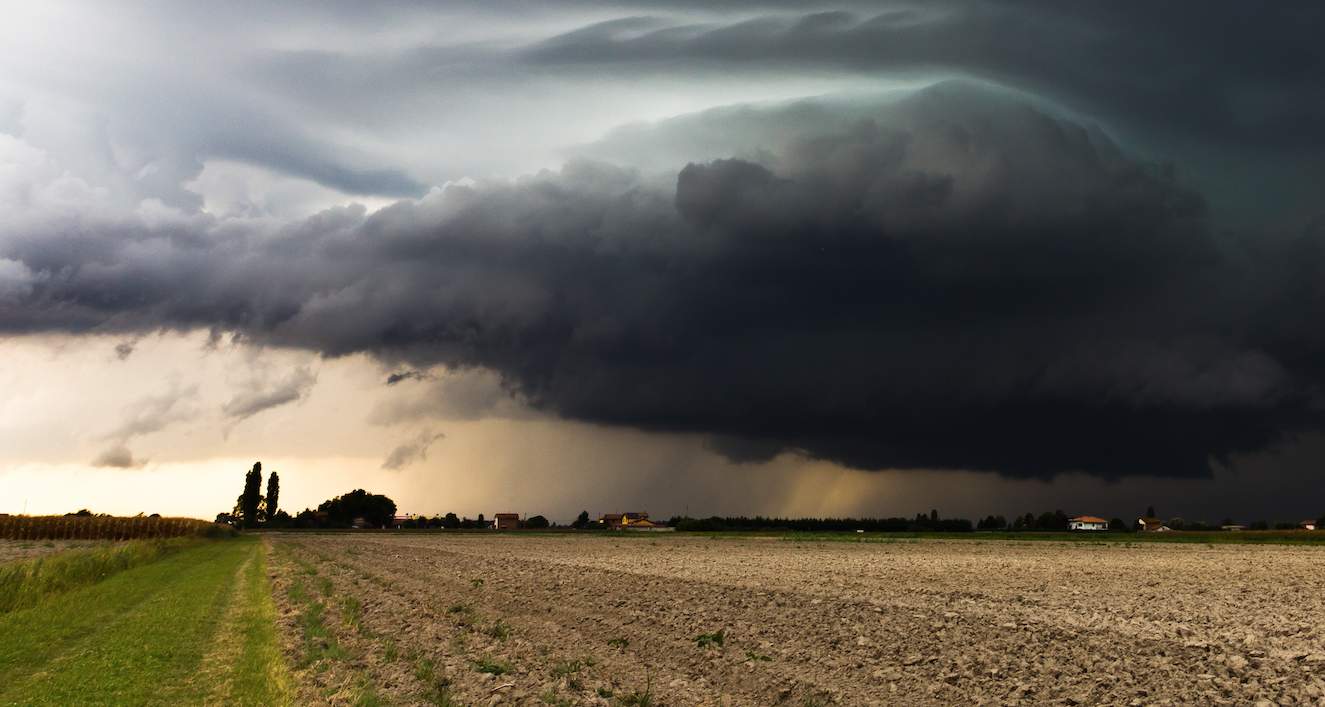
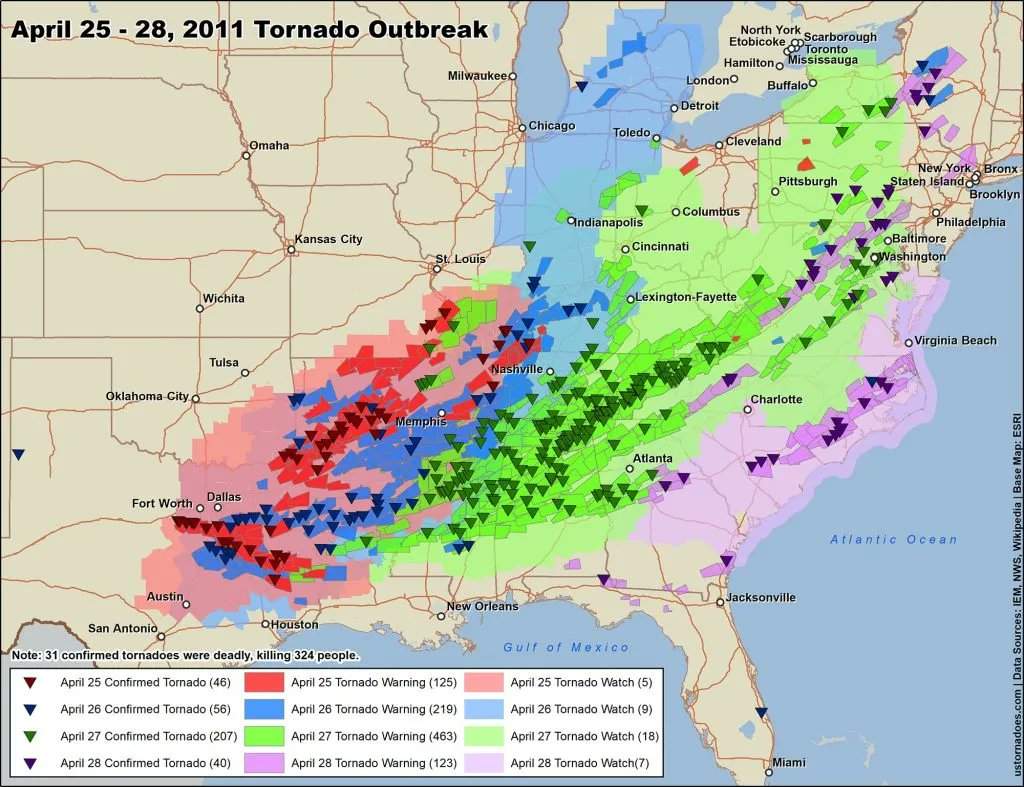
The 2011 Super-Outbreak

Particularly during spring and early summer, severe storms with tornadoes form in North America on a more or less regular basis. While most of these events "only" produce a handful of tornadoes, extreme events can occur if the pressure distribution, wind shear and humidity are ideal for the storms. The most devastating and very deadly tornado outbreak to date occurred between April 25 and 28, 2011, when 362 tornadoes formed within 4 days!

Michael Eichmann

Quick access to our weather portal

Reach our weather portal even faster by placing a shortcut directly on your home screen:
  • 1. Tap
  • 2. To the home screen
  • 1. Tap
  • 2. Tap 'Add to Home screen'
  • 3. tap 'Add'
  • 1. Tap
  • 2. Tap 'Add to Home screen'
  • 3. tap 'Add'