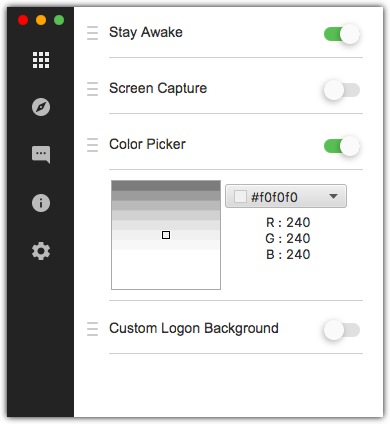
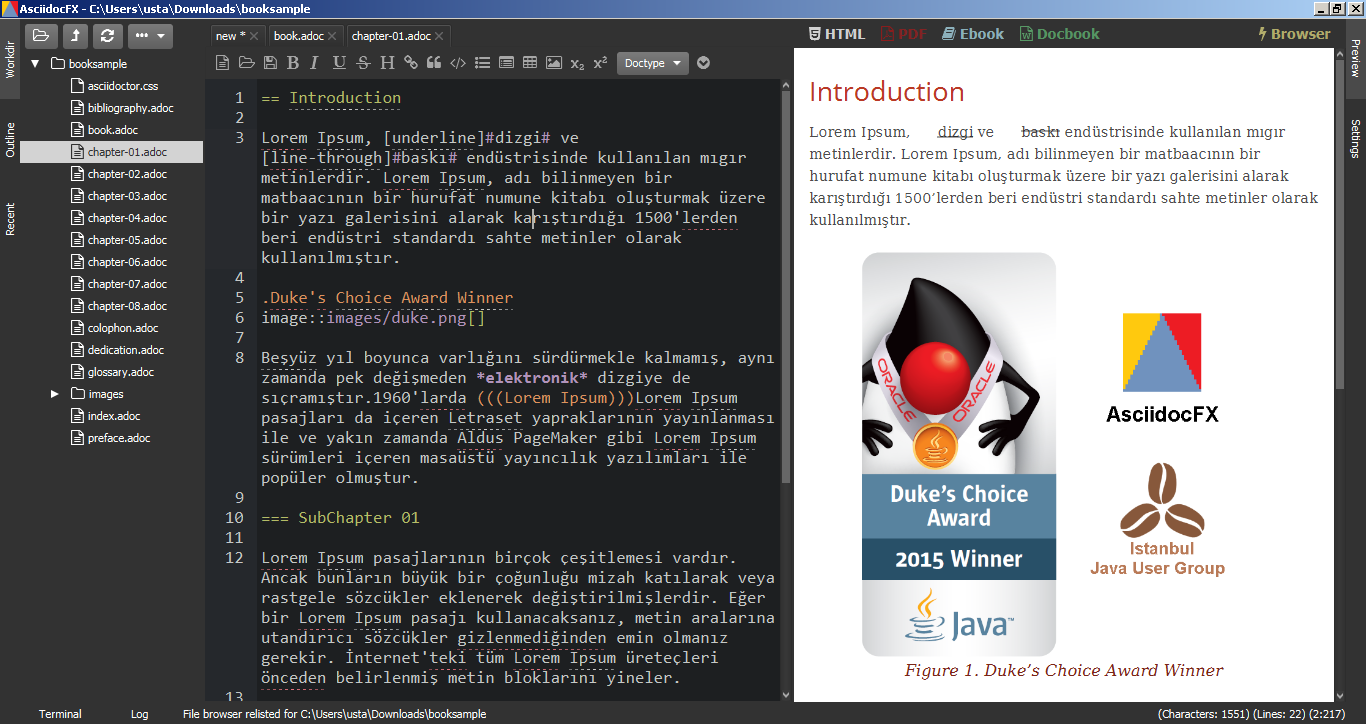
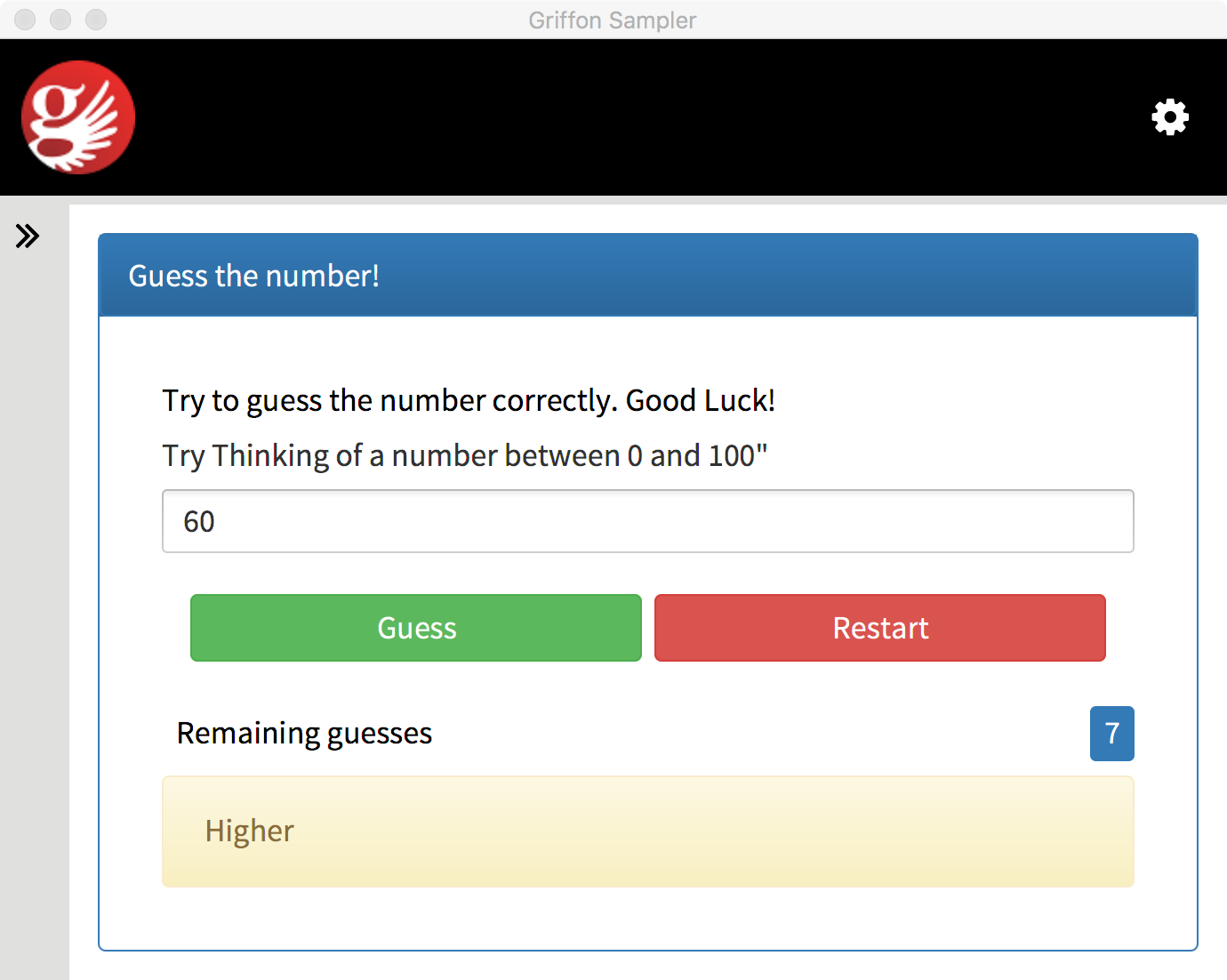
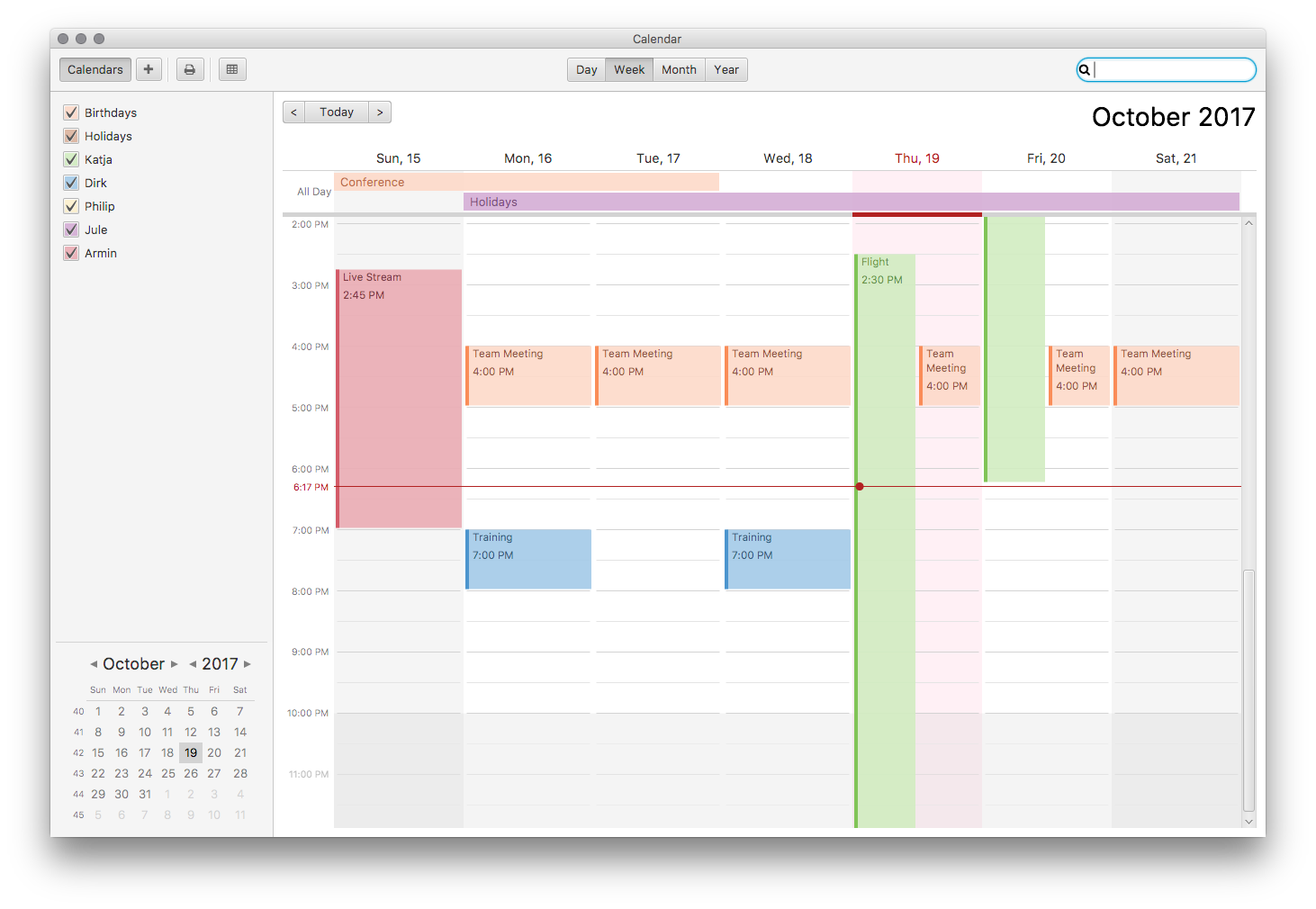
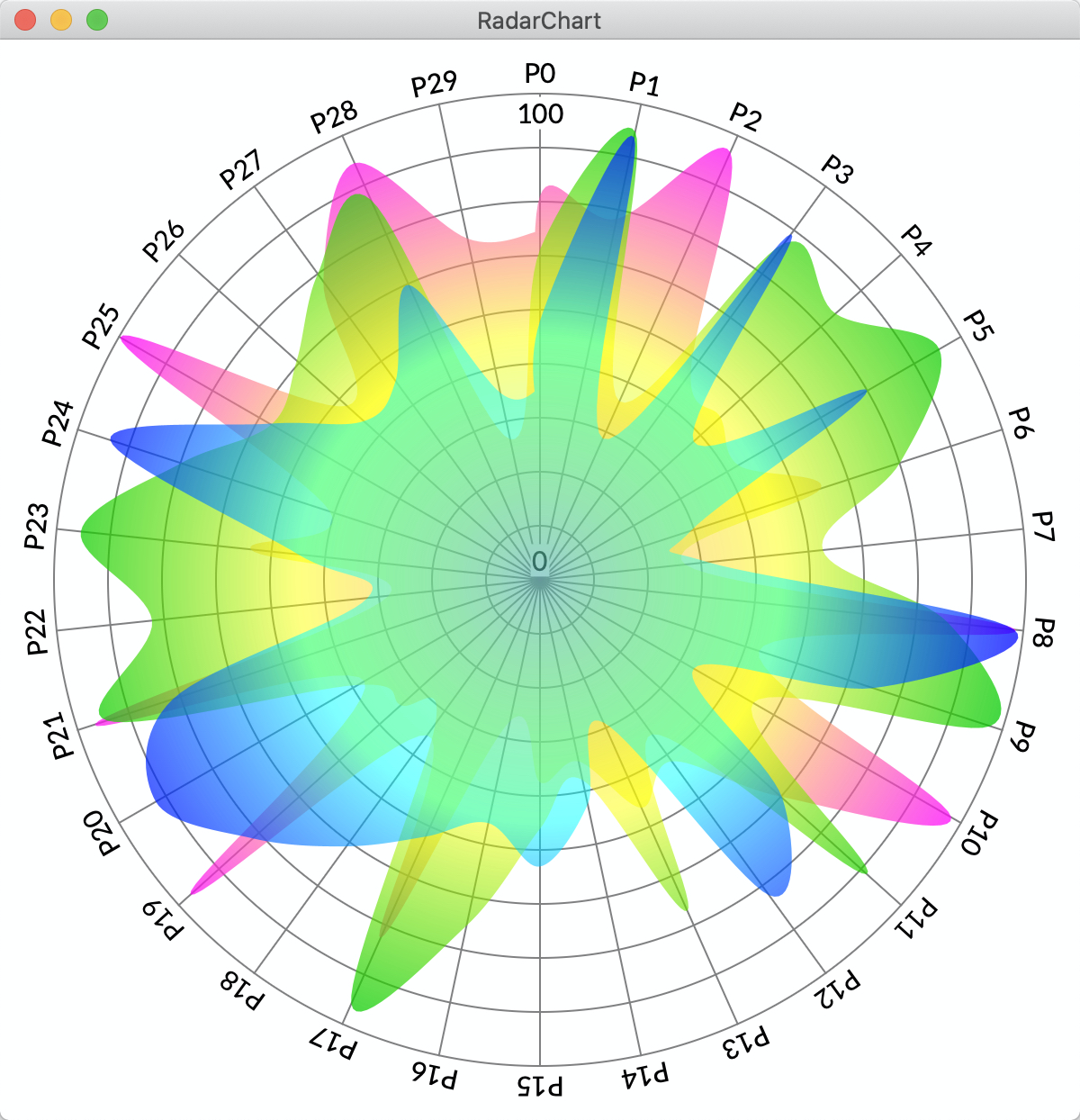
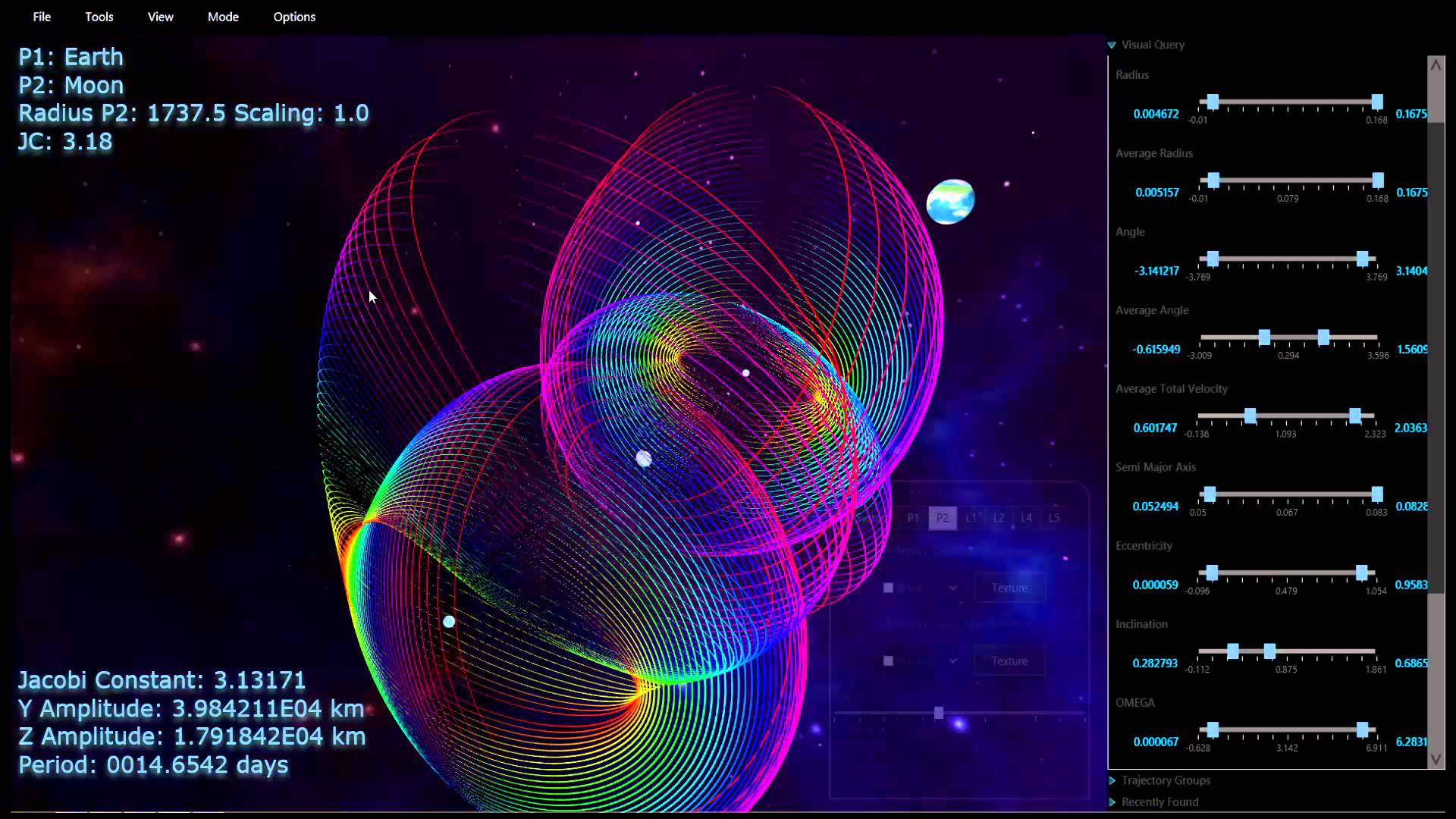
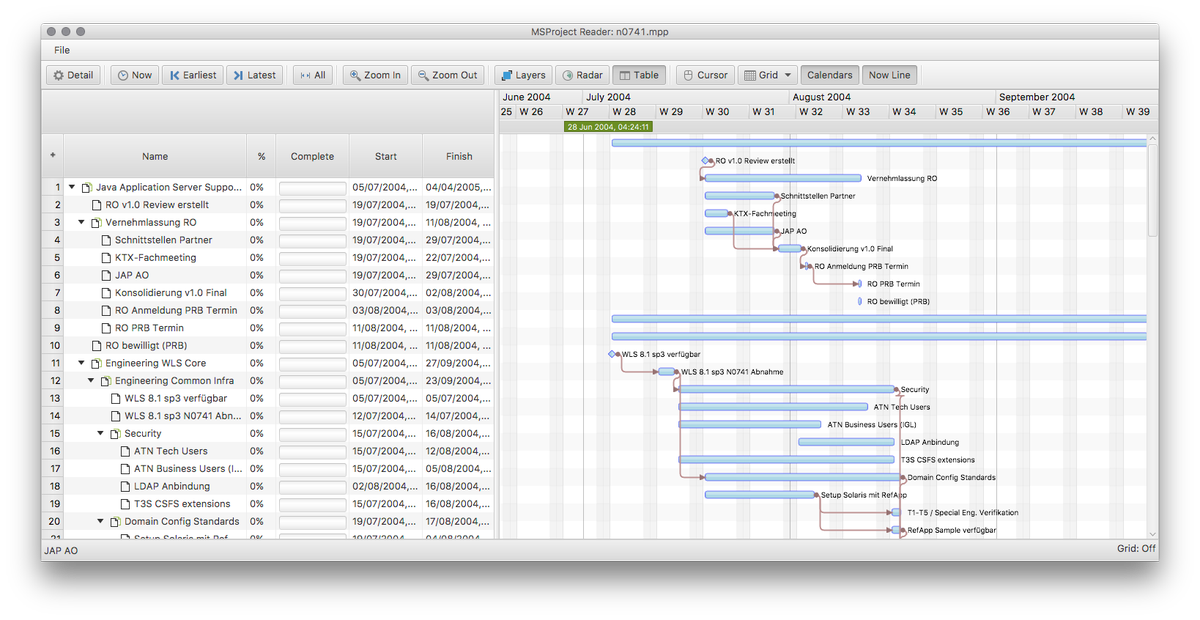
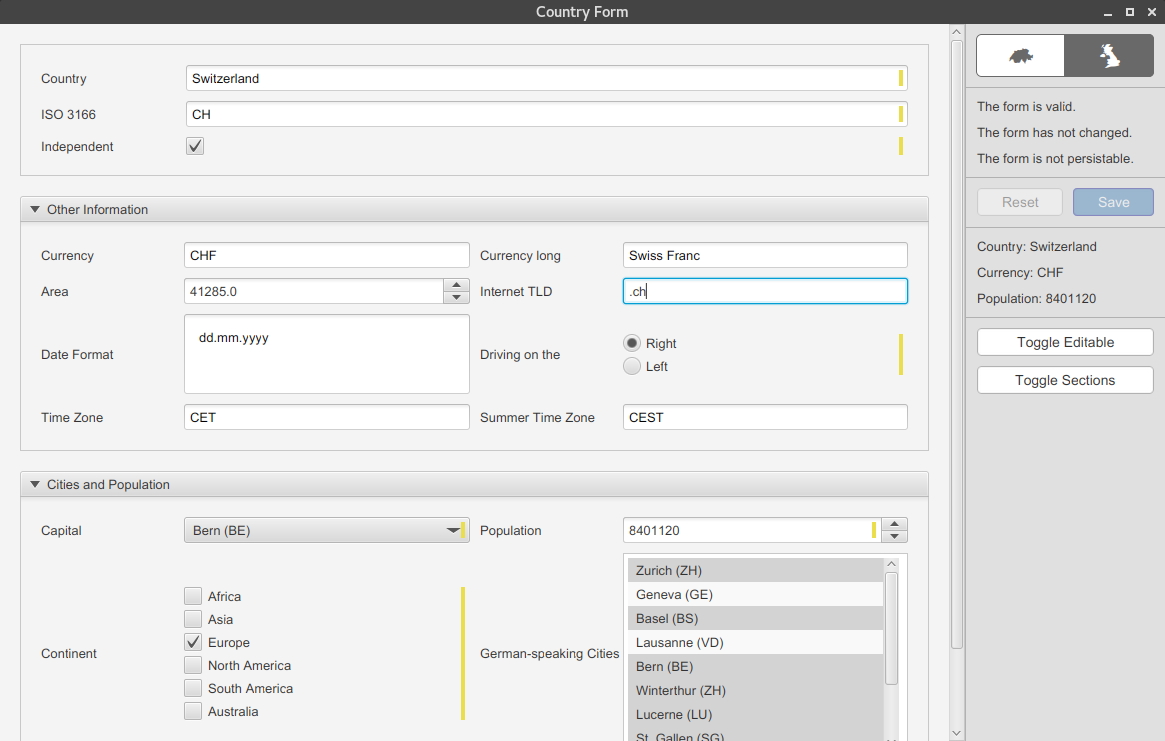
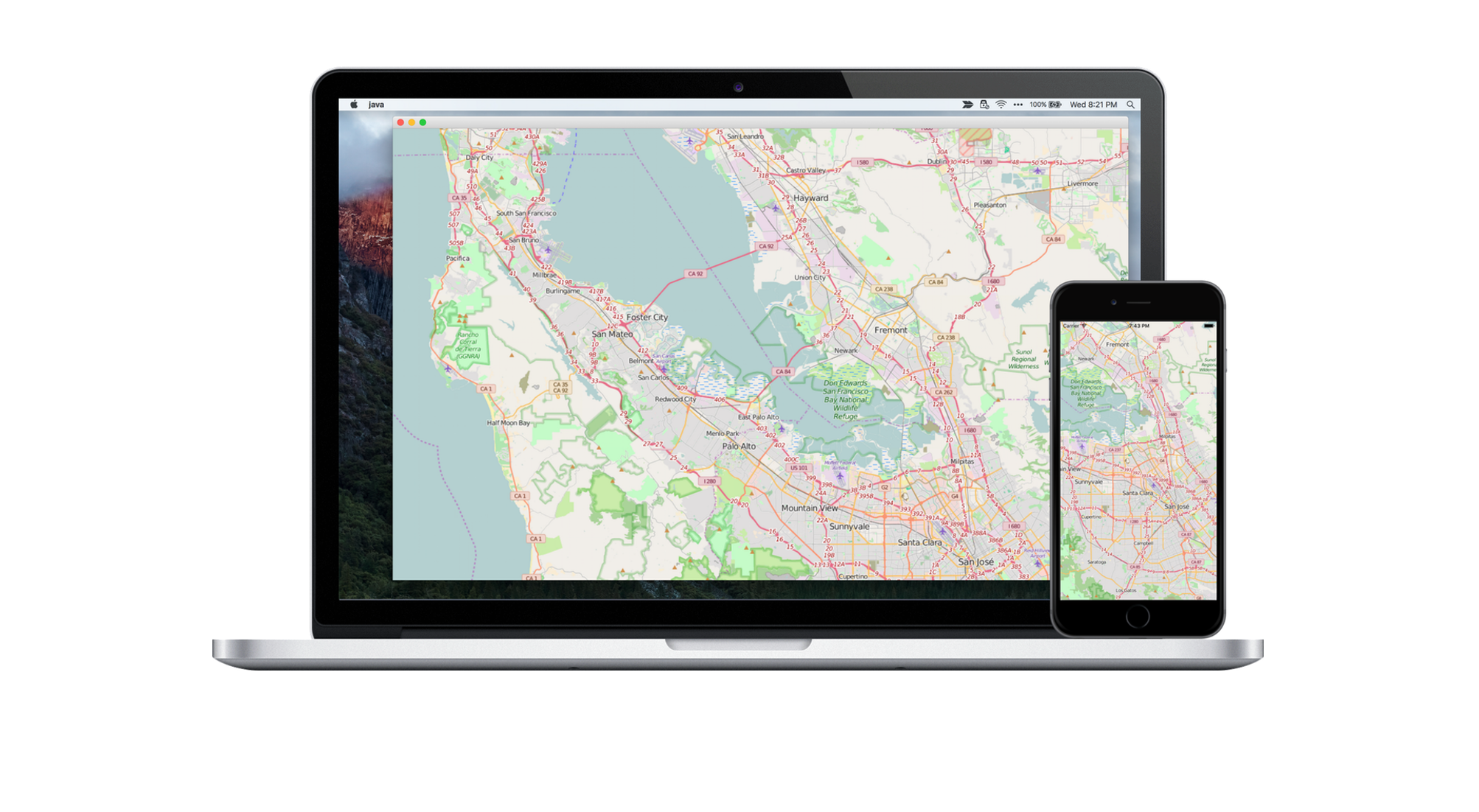
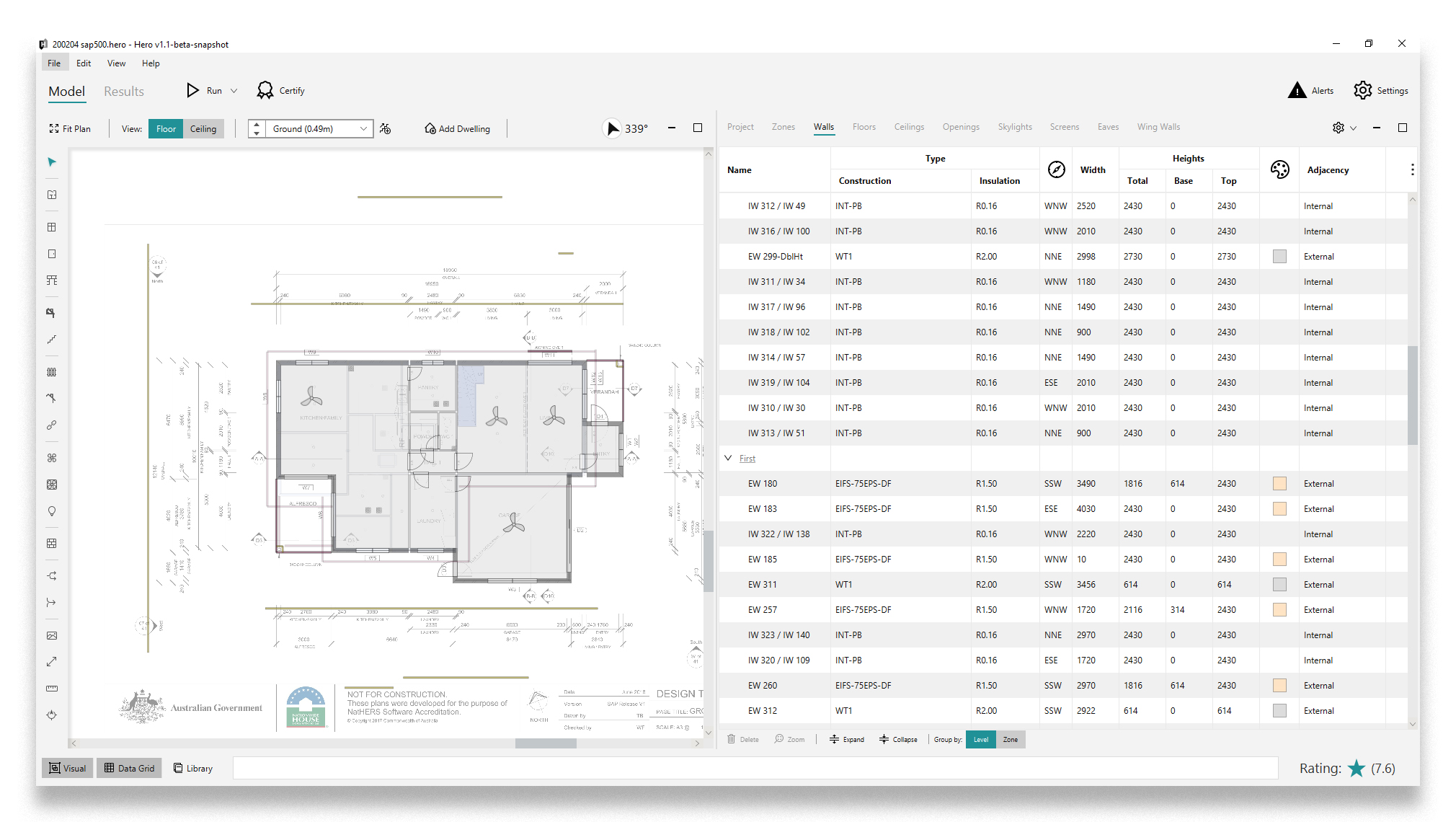
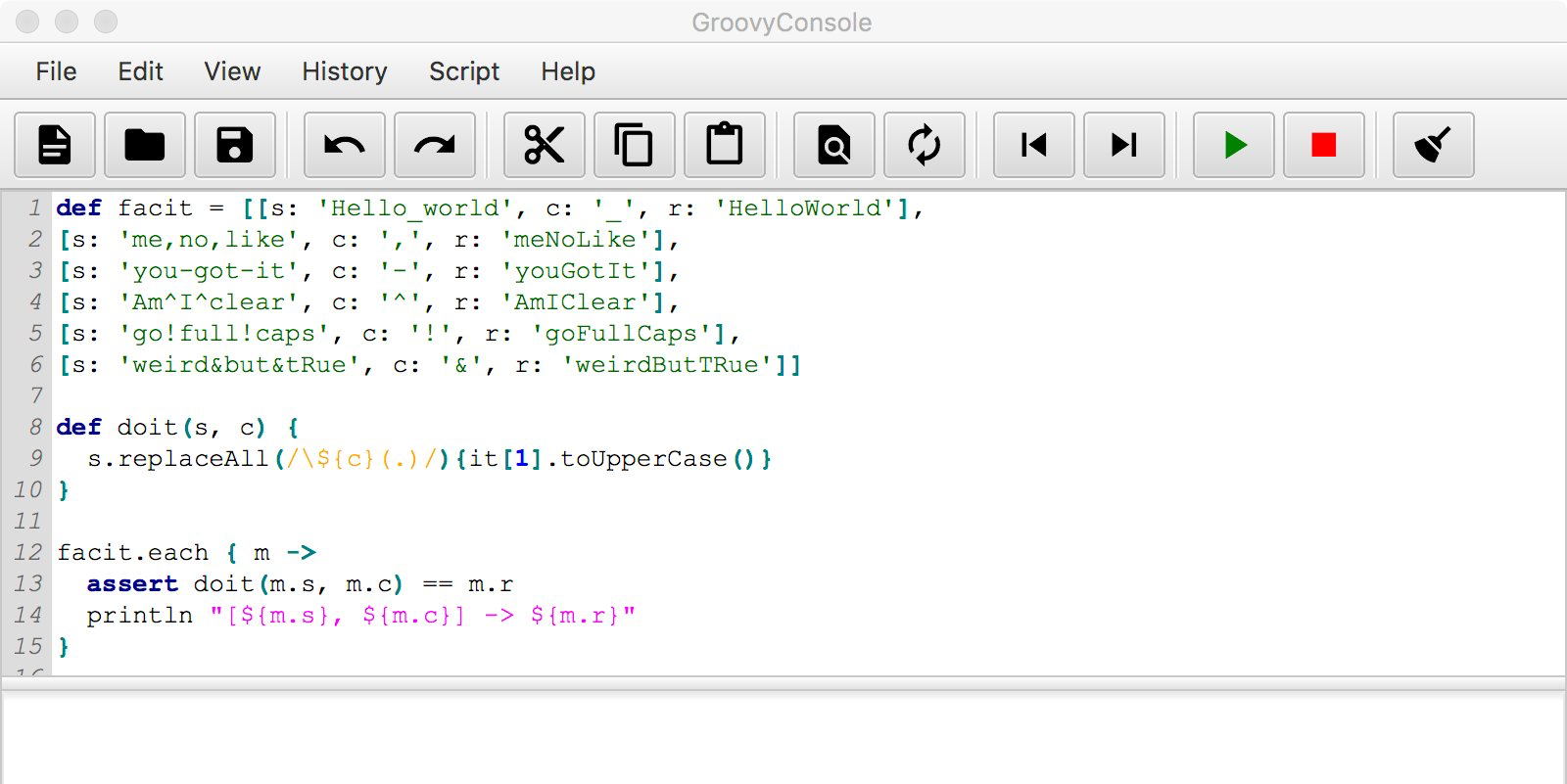
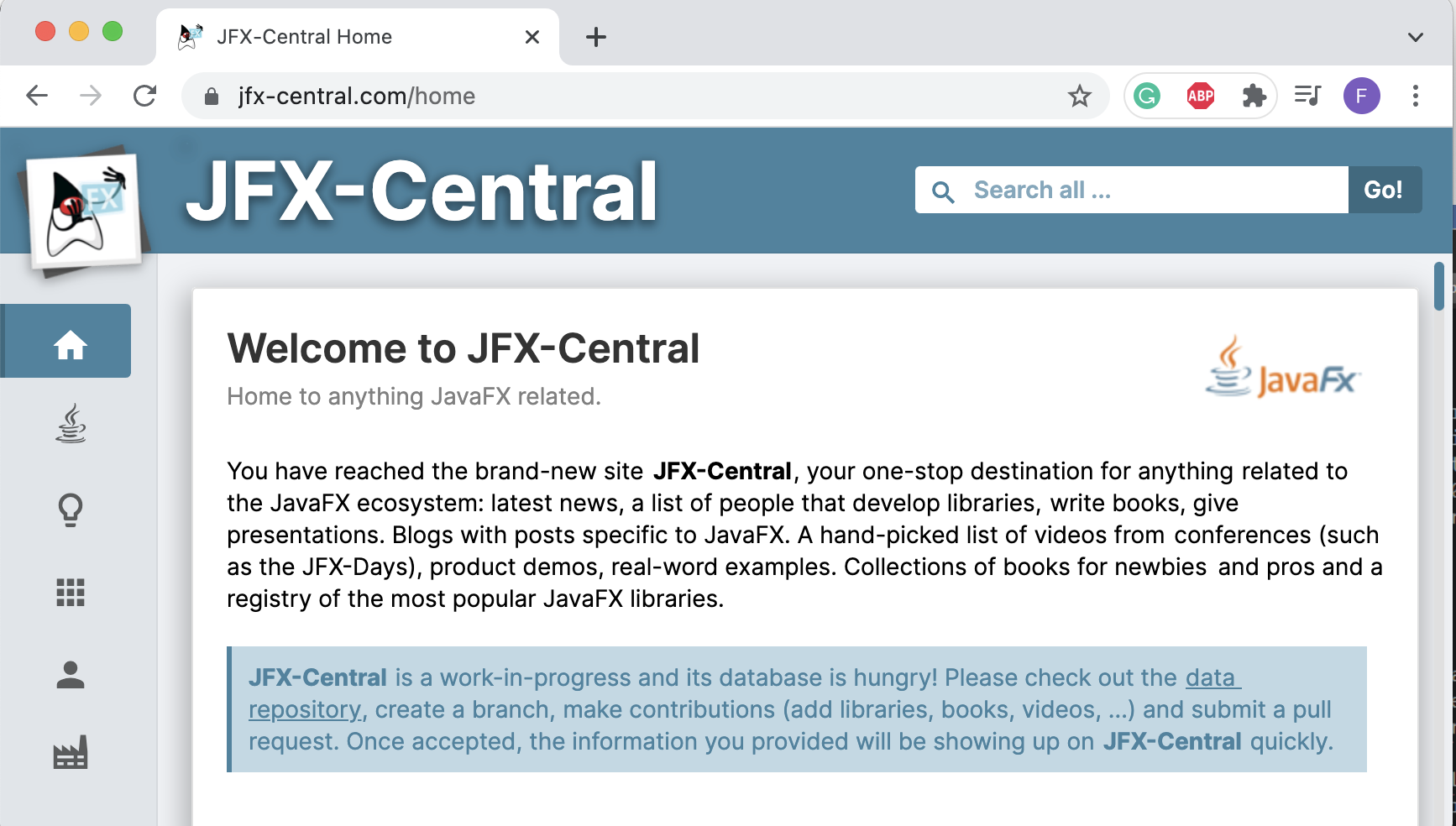
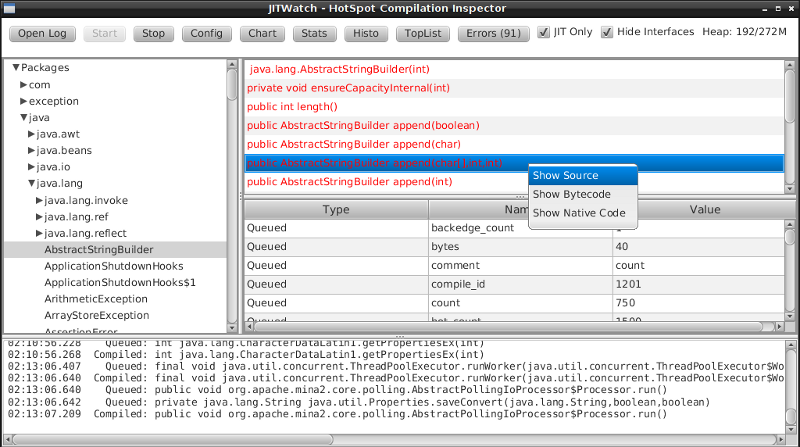
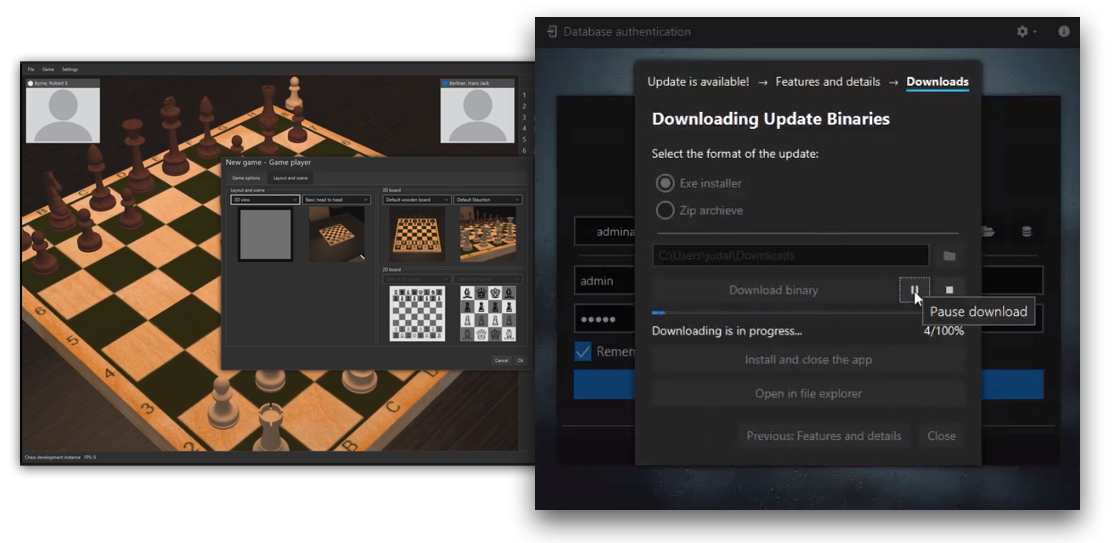
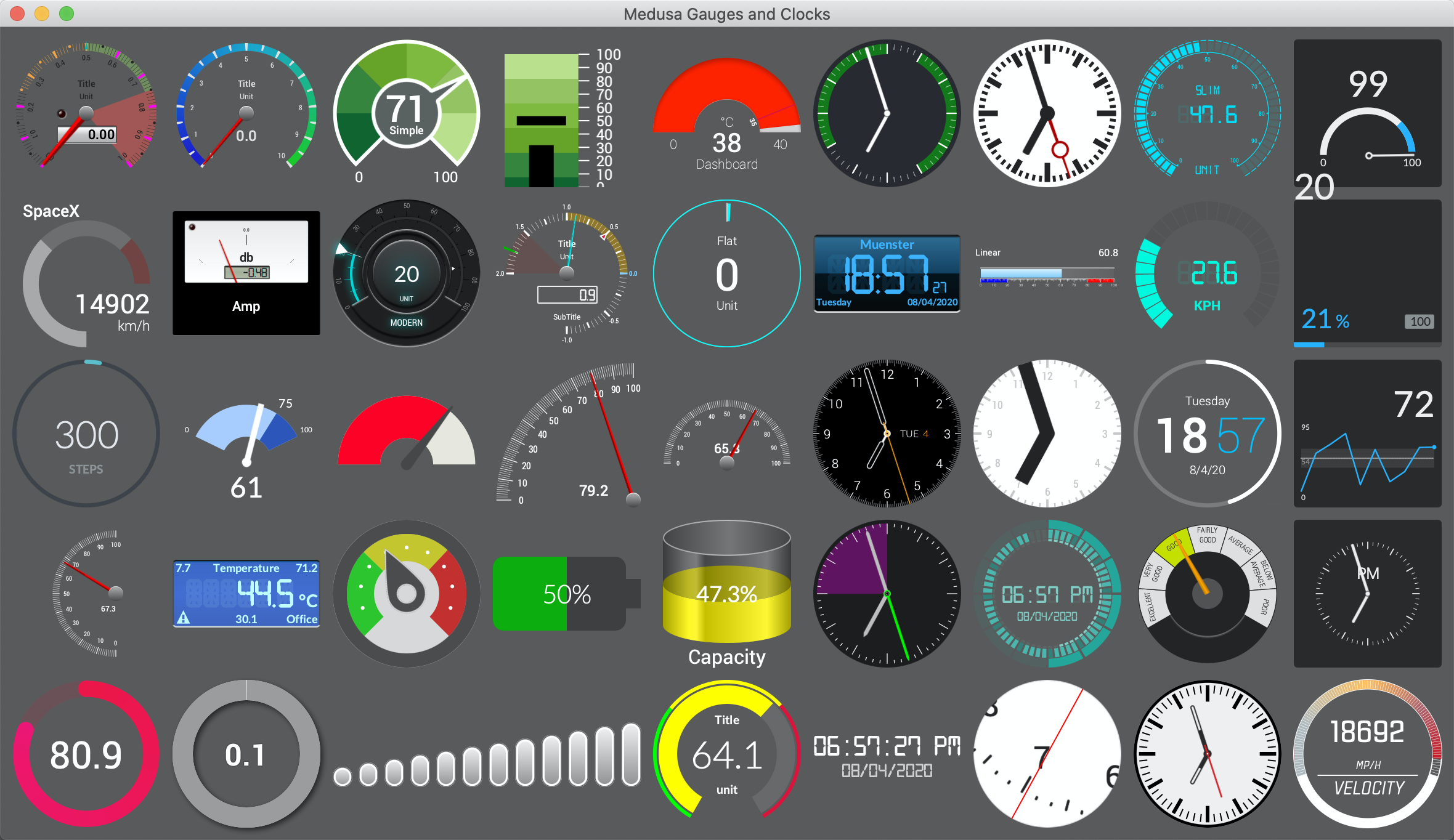
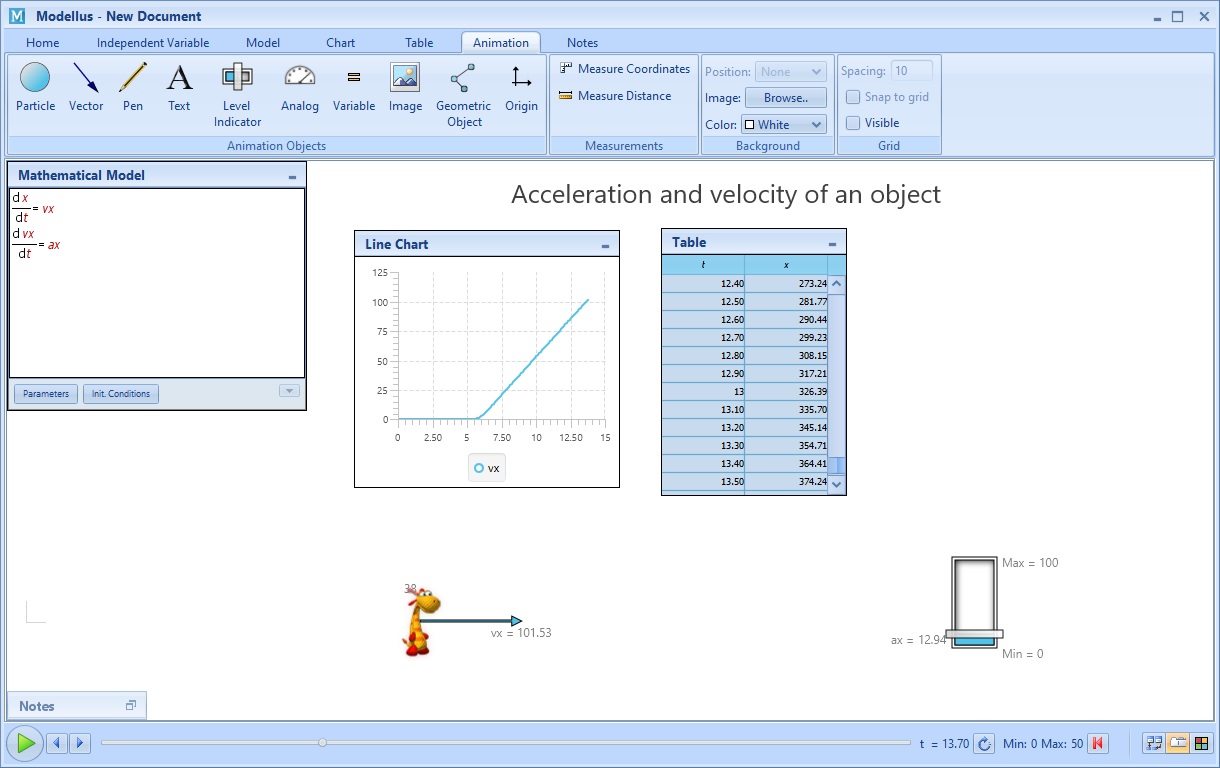
JavaFX runtime is available as a platform-specific SDK, as a number of jmods, and as a set of artifacts in Maven Central.
JavaFX, also known as OpenJFX, is free software; licensed under the GPL with the class path exception, just like the OpenJDK.
Create beautiful user interfaces and turn your design into an interactive prototype. Scene Builder closes the gap between designers and developers by creating user interfaces which can be directly used in a JavaFX application.
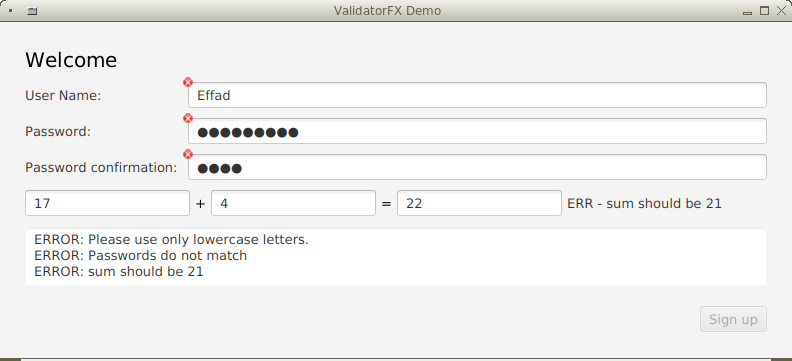
TestFX allows developers to write simple assertions to simulate user interactions and verify expected states of JavaFX scene-graph nodes.
The Sun Belt has emerged as a powerhouse for millennial homeownership. , and Nashville, Tennessee , are frequently cited as top destinations. The draw here is twofold: a lower cost of living and a business-friendly environment that attracts corporate relocations. Millennial buyers in these areas often seek "urban-lite" environments—neighborhoods that feel metropolitan and dense but offer enough space for a home office or a small yard, reflecting the hybrid-work needs of the post-pandemic era. The Return to the Rust Belt
While tier-one cities like New York and San Francisco remain cultural magnets, their prohibitive price points have pushed millennial buyers toward secondary markets. Cities such as , and Denver, Colorado , have seen an explosion in demand. These markets offer a "lifestyle premium"—access to outdoor recreation and a vibrant nightlife—paired with a robust tech-sector job market. For a generation burdened by student debt, the ability to build equity in a growing city without the seven-figure entry price of Silicon Valley is a primary driver. The Southeast Surge The Sun Belt has emerged as a powerhouse
The shift in the American real estate landscape is increasingly defined by millennials, who now make up the largest share of homebuyers. Unlike previous generations who prioritized sprawling suburban estates, millennial buyers are gravitating toward "18-hour cities"—urban hubs that offer a balance of career opportunities, relative affordability, and high walkability. The Rise of the "Secondary" Urban Hub Millennial buyers in these areas often seek "urban-lite"
Interestingly, a segment of the millennial cohort is looking toward the Midwest, specifically cities like , and Indianapolis, Indiana . These markets represent the last frontiers of true urban affordability. In these cities, millennials can often find historic homes in walkable neighborhoods for a fraction of the cost of coastal alternatives. This "revitalization" trend allows younger buyers to participate in the growth of a city’s core while maintaining financial flexibility. Key Amenities and Preferences high-speed internet infrastructure
The most popular urban housing markets for millennials are no longer defined strictly by prestige, but by . As this generation enters its peak earning years, cities that successfully blend economic opportunity with livable, walkable urban design will continue to capture the lion's share of the housing market.
Across all these markets, the "millennial checklist" remains consistent. Proximity to transit, high-speed internet infrastructure, and sustainable building practices are non-negotiable. There is a marked preference for mixed-use developments where grocery stores, gyms, and coworking spaces are within a ten-minute walk. Conclusion