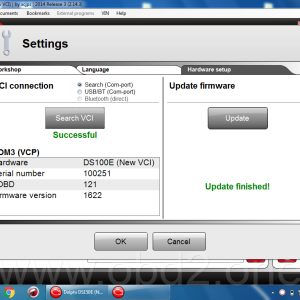
 Autocom, Delphi and WOW modified and original firmware 1622
£1.99
In case of download problems please contact support. Dismiss
The name appears to be a randomly generated or programmatically created file name using a 7z (7-Zip) archive extension. Because the string "eaifgdyost" does not correspond to any known software, project, or standard technical term, it is likely one of the following:
By naming a file randomly, a system (or a user) can prevent casual observers from identifying the contents. This is a common tactic in data exfiltration where malware packages stolen information into a randomly named archive before sending it to a remote server. eaifgdyost.7z
Below is an essay exploring the technical context of such a file, focusing on the , its security implications, and the role of randomized naming in modern computing. The name appears to be a randomly generated
For a general user, encountering such a file usually necessitates caution. Because 7z files can act as or contain executable scripts, they are a common vector for distributing software updates—but also for spreading unwanted programs. Tools like 7-Zip or WinZip allow users to "peek" inside these containers without executing the contents, providing a necessary layer of verification. Conclusion Below is an essay exploring the technical context
The Digital Enigma: Understanding the Architecture of Compressed Archives
"eaifgdyost.7z" is more than just a string of letters; it represents the intersection of and computational logic . Whether it is a harmless temporary file created by a background process or a secure vault for sensitive information, its existence highlights the ongoing balance between the need for massive data reduction and the imperative of digital security. 💡 To help you further, could you tell me:
The 7z format supports strong AES-256 encryption , meaning that even if "eaifgdyost.7z" is discovered, its contents remain inaccessible without the correct cryptographic key. The Role of the User and Maintenance
Don't have an account yet? Sign up
No items in your cart. Go on, fill it up with something you love!
Start Shopping NowAutocom, Delphi and WOW modified and original firmware 1622Autocom, Delphi and WOW modified and original firmware 1622